

Transporting baby feeding tools without damage is a crucial concern for both parents and suppliers like me. As a dedicated provider of high - quality baby feeding tools, I understand the importance of ensuring that these essential items reach their destination in perfect condition. In this blog, I'll share some practical tips and strategies to help you transport baby feeding tools safely.
Choose the Right Packaging Materials
The first step in preventing damage during transportation is selecting appropriate packaging materials. Soft, shock - absorbing materials are your best friends. Bubble wrap is a classic choice. It can be wrapped around glass bottles, like our Glass Bottles With Silicone Lids, to protect them from impacts. You can cut the bubble wrap to the right size and wrap it tightly around the bottle, making sure all the vulnerable parts are covered.
Styrofoam peanuts are another great option. They can fill the empty spaces in a box, preventing the baby feeding tools from moving around. When packing multiple items, use a sturdy cardboard box. The box should be slightly larger than the items you are packing to allow enough space for the protective materials. You can also use packing paper to cushion the items further. It's a cost - effective and eco - friendly option.
Secure Individual Items
Each baby feeding tool needs to be secured properly. For example, if you are transporting a baby bottle with a nipple, make sure the nipple is attached tightly to the bottle. You can use a small plastic cap or a nipple protector to prevent the nipple from getting damaged. If you have multiple bottles, place them in separate compartments or wrap them individually to avoid scratching or knocking against each other.
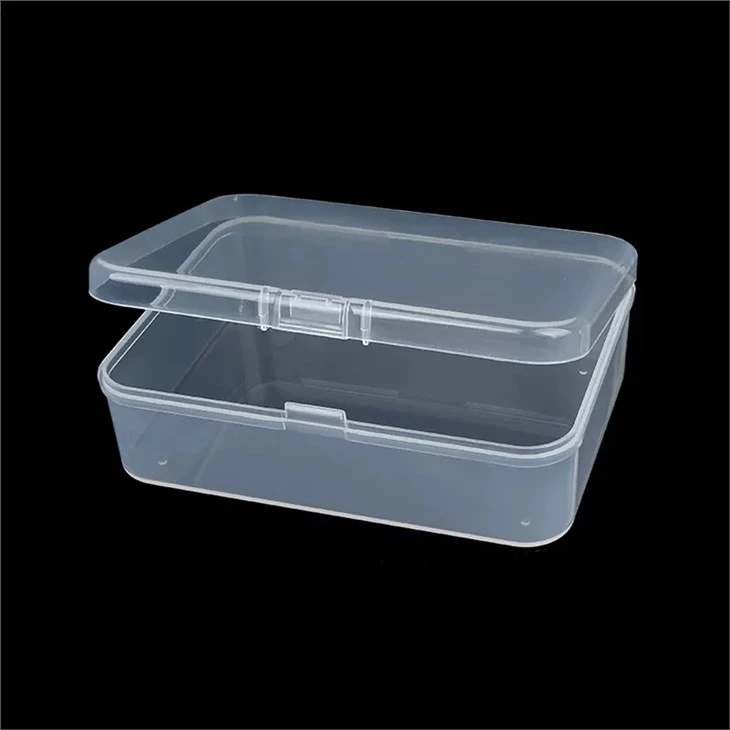
For items like baby spoons and forks, you can group them together and place them in a small plastic bag. This will keep them organized and prevent them from getting lost or damaged. You can also use a Multi - functional Durable Transparent Pp Storage Box to store and transport small baby feeding tools. The transparent design allows you to easily see what's inside, and the durable plastic construction provides good protection.
Consider the Transport Method
The way you transport baby feeding tools also matters. If you are transporting them by car, place the packed box in a stable position, such as the trunk. Avoid placing heavy items on top of the box to prevent crushing. If you are using public transportation, make sure to hold the box carefully and avoid bumping it against other objects.
When shipping baby feeding tools, choose a reliable shipping carrier. Look for carriers that offer tracking services and insurance options. This will give you peace of mind knowing that your items are being monitored and that you will be compensated in case of damage. Before shipping, make sure to label the box clearly as "Fragile" to alert the handlers.
Protect Against Environmental Factors
Environmental factors can also cause damage to baby feeding tools. For example, extreme temperatures can affect the quality of plastic and silicone parts. If you are transporting the tools in hot weather, try to keep them in a cool place. You can use an insulated cooler bag to protect them from the heat.
In cold weather, be aware that some materials may become brittle. Glass bottles, in particular, are more likely to break in cold temperatures. Wrap them with extra layers of bubble wrap or insulation to protect them. Moisture is another concern. Make sure the baby feeding tools are completely dry before packing them. You can use desiccant packs in the box to absorb any moisture.
Inspect Before and After Transport
Before transporting the baby feeding tools, inspect them carefully for any pre - existing damage. This will help you determine if any damage occurred during transportation. After the tools have reached their destination, inspect them again. If you find any damage, document it immediately. Take photos of the damaged items and keep any packaging materials intact.
If you are a customer receiving the baby feeding tools, contact the supplier as soon as possible if you notice any damage. As a supplier, I always strive to provide excellent customer service. We will work with you to resolve the issue, whether it's replacing the damaged items or offering a refund.
Special Considerations for Different Types of Baby Feeding Tools
Glass Bottles
Glass bottles are more fragile than plastic ones. As mentioned earlier, wrap them thoroughly with bubble wrap. You can also place them in a padded bottle carrier. When packing multiple glass bottles, separate them with layers of packing paper or foam. This will prevent them from clinking together and breaking.
Plastic Bottles and Containers
Although plastic bottles are more durable than glass, they can still get scratched or cracked. Make sure to clean them thoroughly before packing to prevent any residue from attracting dirt or bacteria during transportation. If the plastic has a smooth surface, you can use a soft cloth to wipe it down and then wrap it with a thin layer of packing paper.

Baby Food Mashers and Blenders
These tools often have moving parts and sharp edges. Make sure to disassemble them if possible and pack the parts separately. Wrap the sharp parts with tape or a protective cover to prevent injury and damage. Place the parts in a small plastic bag or a compartment in the storage box.
Multifunctional Tools
Some baby feeding tools, like the Multifunctional Baby Tactile Training Brush, have multiple functions and delicate parts. Read the manufacturer's instructions on how to handle and transport them properly. You may need to use special packaging or protective cases to ensure their safety.
In conclusion, transporting baby feeding tools without damage requires careful planning and attention to detail. By following these tips, you can ensure that your baby feeding tools arrive at their destination in perfect condition. As a baby feeding tools supplier, I am committed to providing high - quality products and helping you with all your transportation needs. If you are interested in our products or have any questions about transporting baby feeding tools, please feel free to contact me for procurement and further discussion.
References
- Packaging and Shipping Best Practices: General guidelines from industry experts on packaging fragile items.
- Baby Feeding Tool Manufacturer Manuals: Information provided by manufacturers on handling and transporting their specific products.