

How often should I replace the straw of the kids cup?
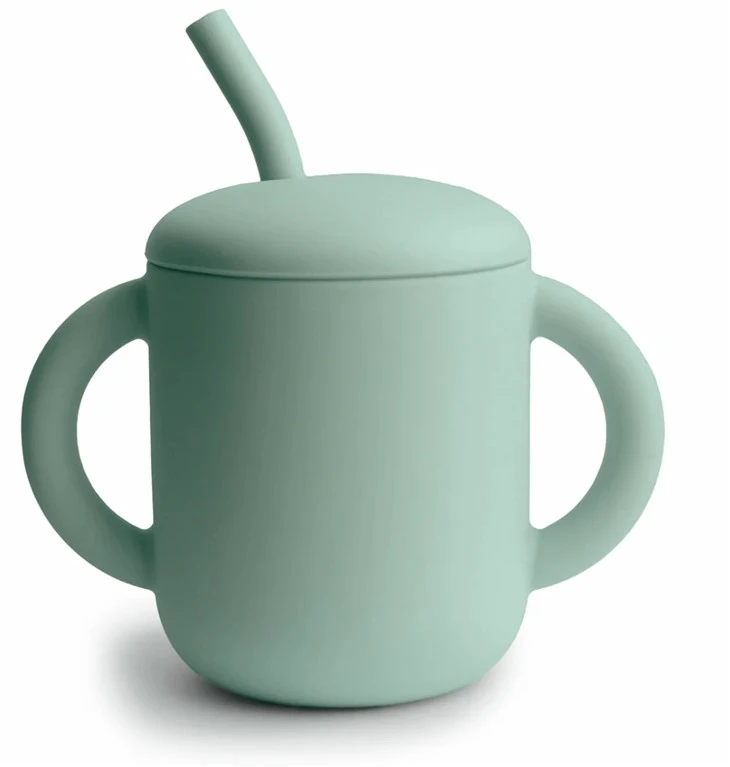
As a supplier of Kids Cup with Straw, I often receive questions from parents and caregivers about the proper maintenance and replacement of straws in kids' cups. This is a crucial topic as the health and safety of our little ones are at stake. In this blog post, I'll delve into the factors that determine how often you should replace the straw of a kids cup and provide some useful tips to ensure your child's cup remains a safe and hygienic drinking vessel.
Factors Affecting Straw Replacement Frequency
Material of the Straw
One of the primary factors influencing how often you should replace a straw is the material it's made from. Common materials for kids' cup straws include silicone, plastic, and stainless steel.
- Silicone Straws: Silicone is a popular choice for kids' straws due to its flexibility, durability, and non - toxic nature. However, over time, silicone can absorb stains and odors, especially if the cup is used for juices or other flavored beverages. If the straw starts to look discolored or has an unpleasant smell, it's a good indication that it needs to be replaced. On average, silicone straws can last anywhere from 1 to 3 months with regular use and proper cleaning. You can find high - quality Kids Silicone Straw Cup on our website, which comes with durable silicone straws.
- Plastic Straws: Plastic straws are often less expensive but may not be as durable as silicone. They can become brittle over time, especially when exposed to heat or harsh cleaning agents. Additionally, plastic can leach chemicals, which is a concern for kids' health. Plastic straws should generally be replaced every 1 to 2 months, depending on usage and the quality of the plastic.
- Stainless Steel Straws: Stainless steel straws are the most durable option. They are resistant to corrosion, staining, and odors. With proper care, stainless steel straws can last for years. However, if the straw develops scratches or dents that could harbor bacteria, it should be replaced.
Frequency of Use
How often your child uses the cup also plays a significant role in determining straw replacement frequency. If your child uses the cup multiple times a day, the straw will experience more wear and tear compared to a cup that is used only occasionally. For example, a child who takes the cup to daycare every day and uses it throughout the day may need the straw replaced more frequently than a child who only uses the cup at home on weekends.
Type of Beverages
The type of beverages your child consumes from the cup can impact the lifespan of the straw. Drinks like fruit juices, smoothies, and milk contain sugars and acids that can promote the growth of bacteria. These beverages can also leave behind residues that are difficult to clean, leading to a shorter lifespan for the straw. On the other hand, if your child mainly drinks water, the straw will likely last longer.
Signs That It's Time to Replace the Straw
Visible Damage
Inspect the straw regularly for any signs of visible damage, such as cracks, tears, or holes. Even small cracks can allow bacteria to enter and multiply, posing a health risk to your child. If you notice any damage, replace the straw immediately.
Discoloration and Odor
As mentioned earlier, discoloration and unpleasant odors are clear signs that the straw needs to be replaced. No matter how much you clean the straw, if it still has a persistent smell or is visibly stained, it's time for a new one.
Difficulty in Sucking
If your child has trouble sucking through the straw, it could be due to a blockage or a loss of flexibility in the straw. A blocked straw can be a breeding ground for bacteria, and a stiff straw may not be comfortable for your child to use. In such cases, replace the straw to ensure a smooth drinking experience.

Tips for Prolonging Straw Lifespan
Proper Cleaning
Regular and thorough cleaning is essential for maintaining the lifespan of the straw. After each use, rinse the straw with warm water and a mild detergent. Use a straw cleaner to reach the inside of the straw and remove any debris. For a deeper clean, you can soak the straw in a mixture of vinegar and water for a few hours.
Avoiding Harsh Chemicals
When cleaning the straw, avoid using harsh chemicals or abrasive cleaners, as these can damage the material of the straw. Stick to mild, natural cleaners to keep the straw in good condition.
Storage
Proper storage can also help prolong the life of the straw. Store the cup and straw in a clean, dry place. Avoid leaving the straw in direct sunlight or in a hot environment, as this can cause the material to degrade.
Conclusion
In conclusion, the frequency of straw replacement for kids' cups depends on several factors, including the material of the straw, frequency of use, and type of beverages. On average, silicone straws should be replaced every 1 to 3 months, plastic straws every 1 to 2 months, and stainless steel straws can last for years with proper care. By regularly inspecting the straw for damage, discoloration, and odor, and following proper cleaning and storage practices, you can ensure that your child's cup remains a safe and hygienic drinking option.
If you're looking for high - quality kids' cups with straws, we are a leading supplier in the market. Our Durable Silicone Baby Cups With Straws are made from safe and durable materials, ensuring your child's health and satisfaction. We also offer Reusable Silicone Cling Film for additional convenience in food storage.
If you're interested in purchasing our products in bulk or have any questions about our offerings, please feel free to reach out to us for a procurement discussion. We are committed to providing the best products and services to our customers.
References
- American Academy of Pediatrics. (Year). Guidelines for Safe Use of Children's Drinking Vessels.
- Consumer Reports. (Year). Testing and Reviews of Kids' Cups and Straws.